
01
Understanding needs and risk analysis
Every project starts with a conversation. We listen to goals and constraints, identify technological, economic and organisational risks. The result is a clear map of what has to be done — and what to avoid.
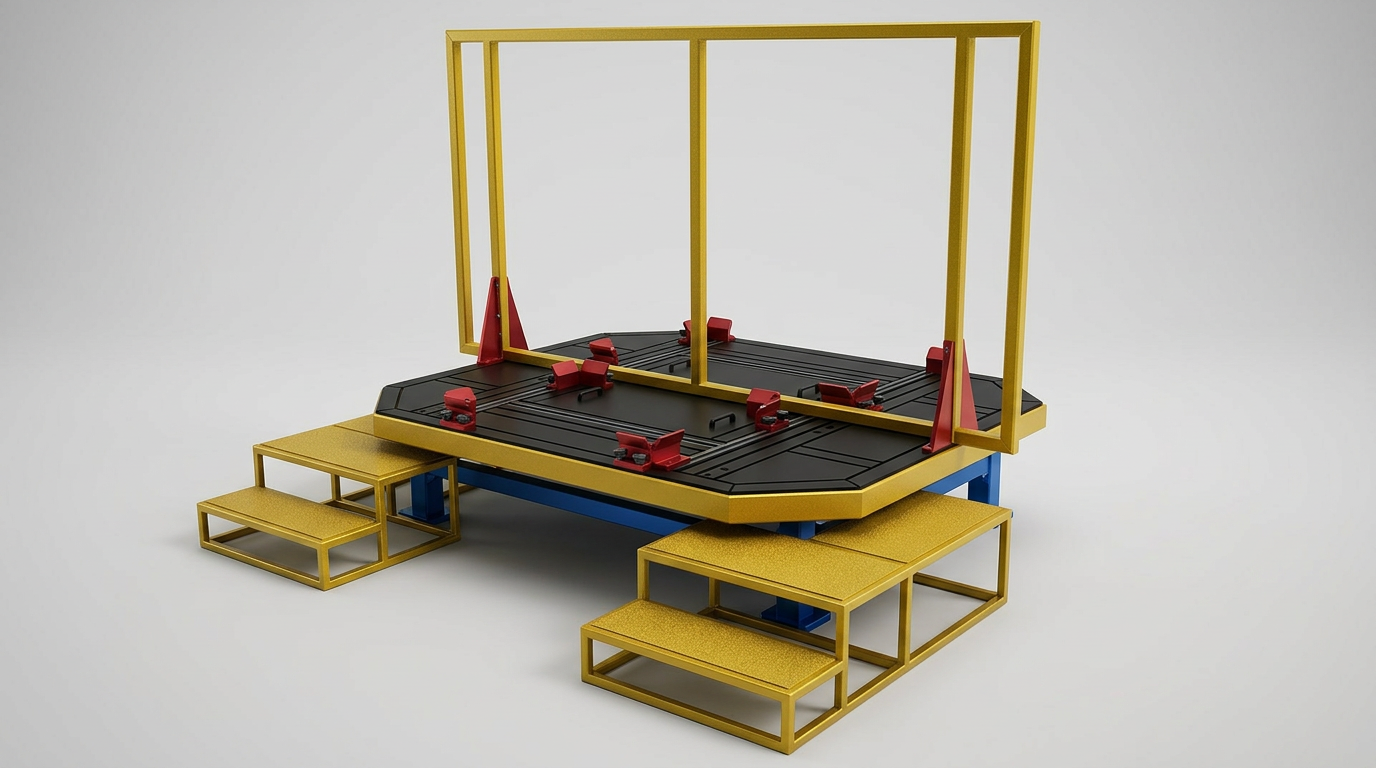
The Art Mech Studio R&D department helps industrial companies guide a new product or technology through every stage: from the first sketch and risk analysis, through design and prototype, to serial production and first deliveries.
We work with the latest engineering tools and — where it truly speeds up the work — with artificial intelligence models. We combine experience gained in automotive, home appliances, packaging and special machines with concrete, measurable results for the client.
In practice, "R&D" means all the stages in which an idea turns into a working device. It's not just dry calculations and documentation — it's about predicting how a new product will behave on the shop floor, on the client's line and in the operator's hands.
Art Mech Studio combines experience from many industries — from automotive, through home appliances and packaging, to special machines. Thanks to this, our R&D department doesn't start every project from scratch: we use proven schemes, off-the-shelf components and conclusions from hundreds of earlier deployments.
We support clients with a specific production problem, an idea for a new product or the need to optimise an existing line. Every project is carried out in stages, with a clear division of roles and responsibilities.
Every new project goes through four stages. It's a clear work rhythm in which the client knows from the start what is happening with their idea, how long it will take and what to expect.
Every project starts with a conversation. We listen to goals and constraints, identify technological, economic and organisational risks. The result is a clear map of what has to be done — and what to avoid.
This is where the concept takes shape. The R&D team designs the solution in a CAD/CAE environment, selects materials, develops control schemes, runs calculations and simulations. Experience from many industries lets us pick proven paths faster.
We adapt the concept to the realities of the shop floor, available materials and processes. We build prototypes, run tests, verify ergonomics and safety before full production begins. The client sees results at every step.
Once tests are positive we launch the target series. We implement processes, quality control and documentation, treating the first deliveries as a natural continuation of development — ready for further iteration and optimisation.
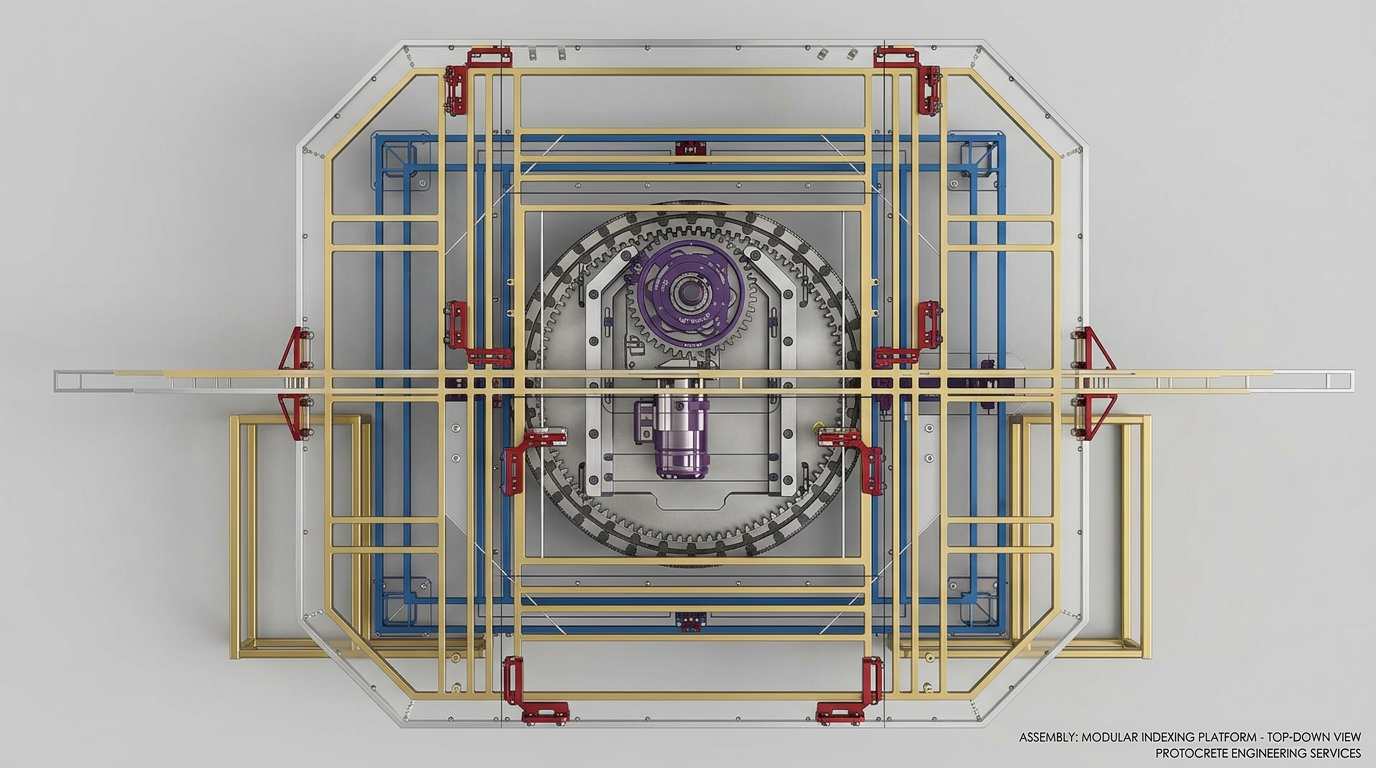
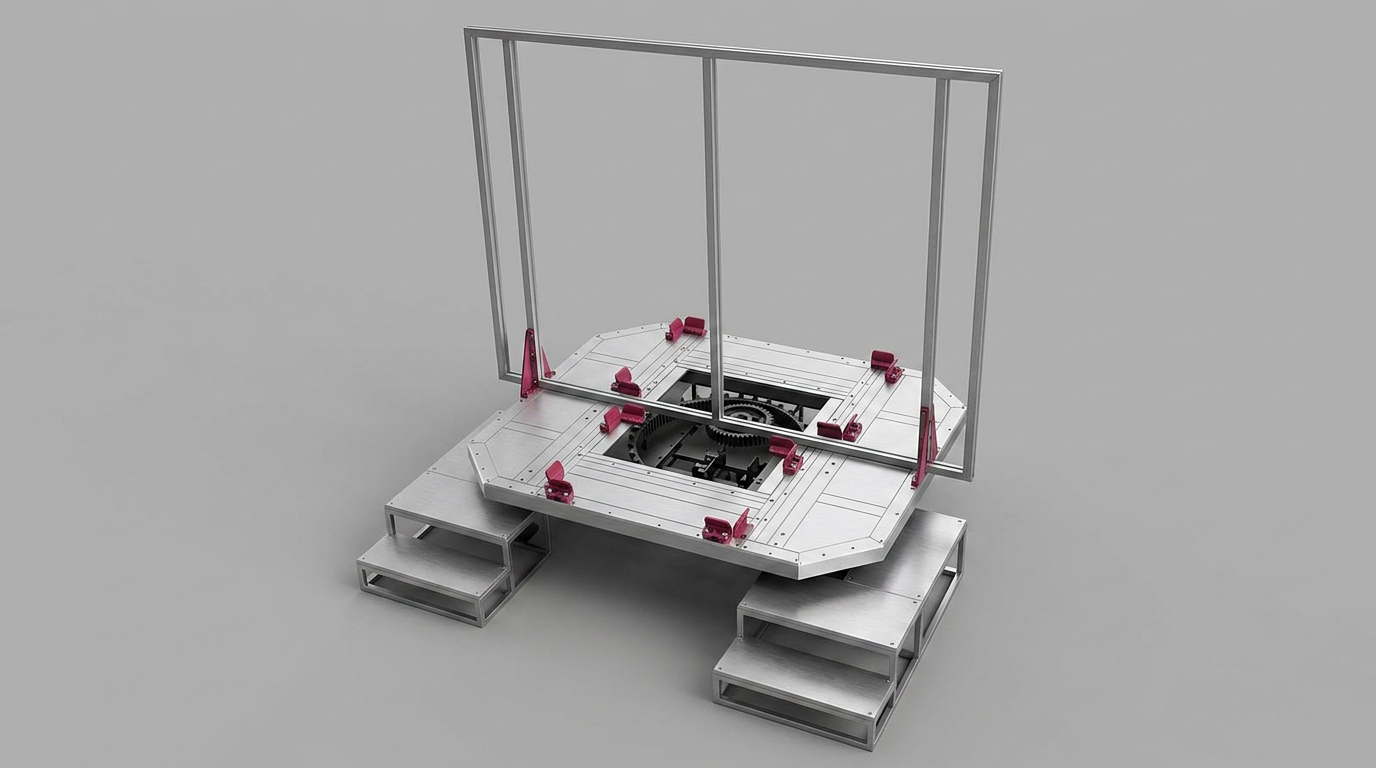
In R&D projects we use modern CAD/CAE software, machine vision and 3D printing, and — where it makes sense — also artificial intelligence models. We treat AI as an engineer's tool that speeds up analysis and helps explore more design variants in less time. All final decisions are still made by a human.
We work in modern 3D modelling, strength analysis and kinematics packages, which lets us catch most errors on screen rather than on the shop floor.
We use AI models to speed up calculations, generate design variants, analyse documentation, optimise processes and check solutions against standards.
We design inspection stations with industrial cameras that detect assembly errors, missing components or incorrect execution — before the part reaches the client.
We use 3D printing, CNC machining and our own composite technologies to physically verify new ideas quickly, not just on a render.
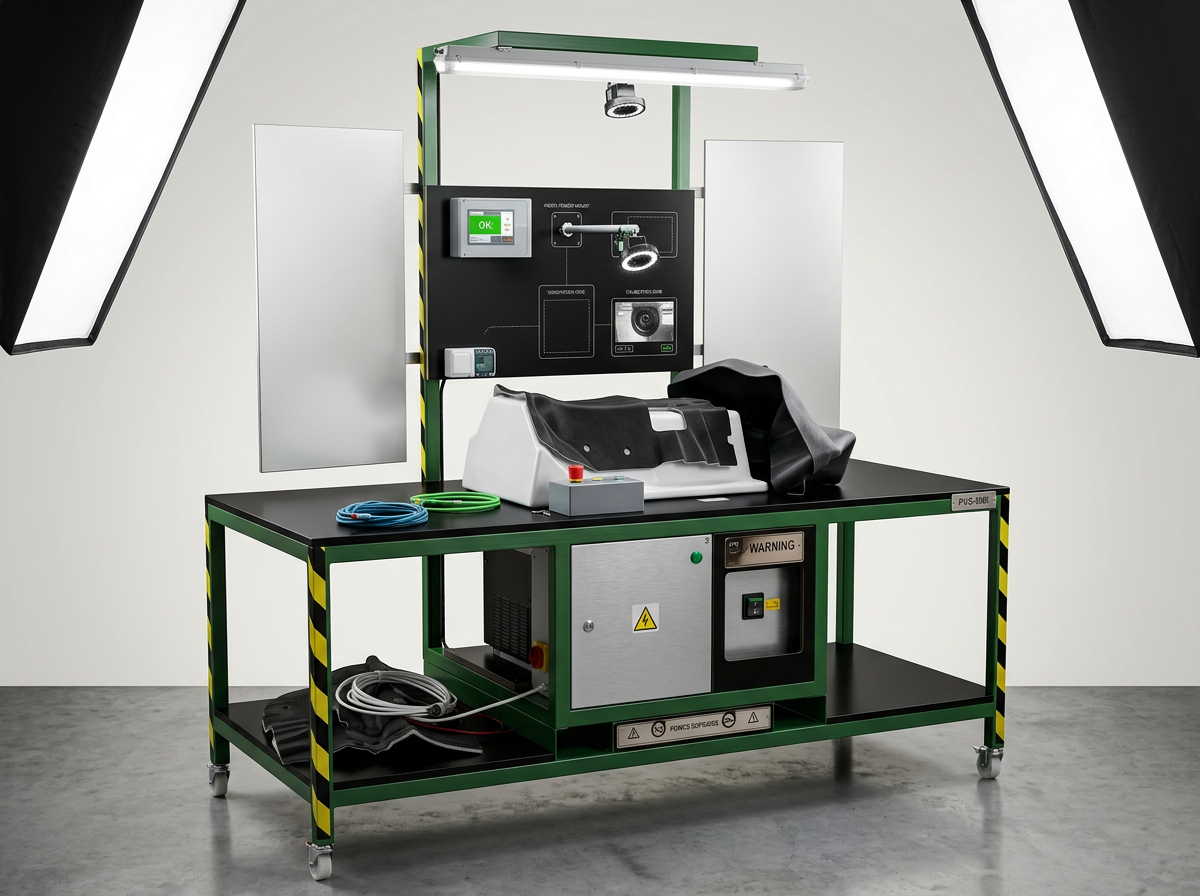
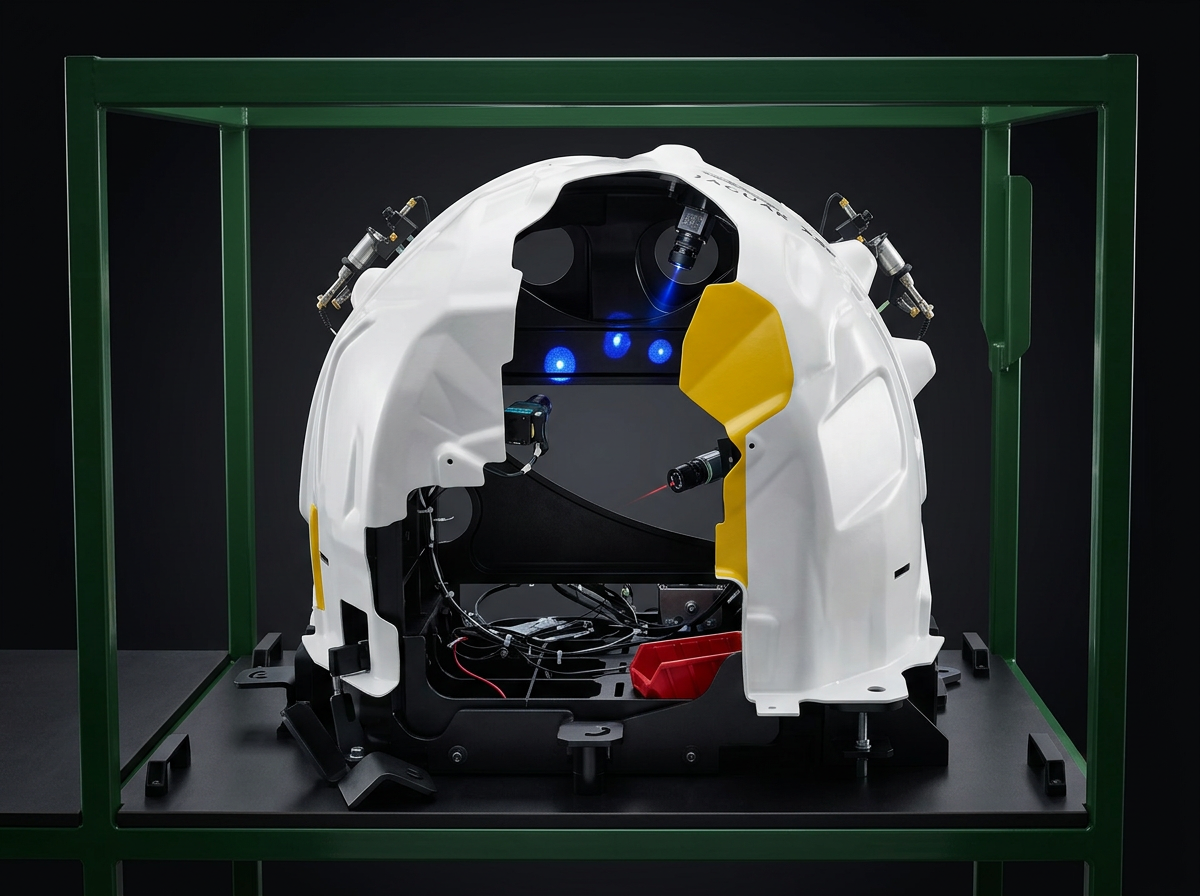
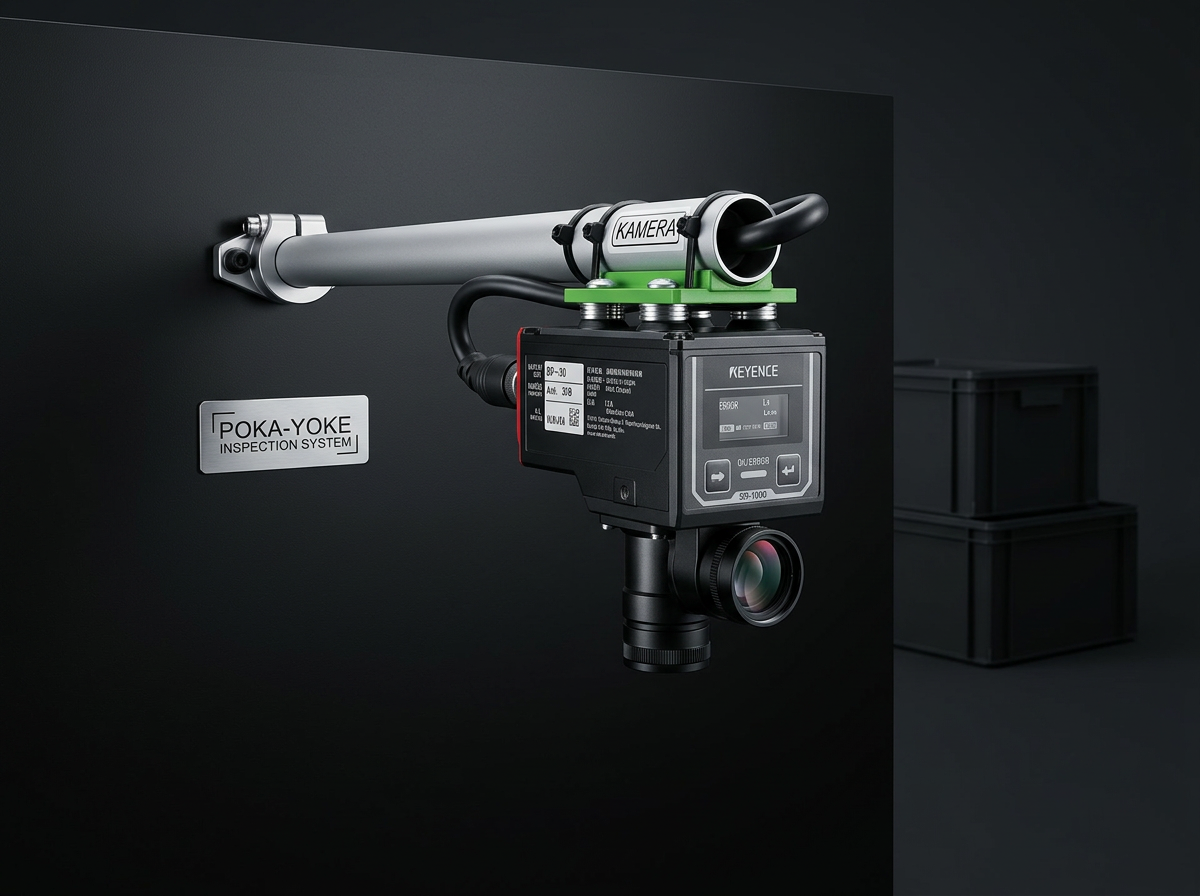
From single assembly stations, through short-distance transport systems, to HMI panels and formed liners — we show fragments of our deployments that grew out of R&D projects.
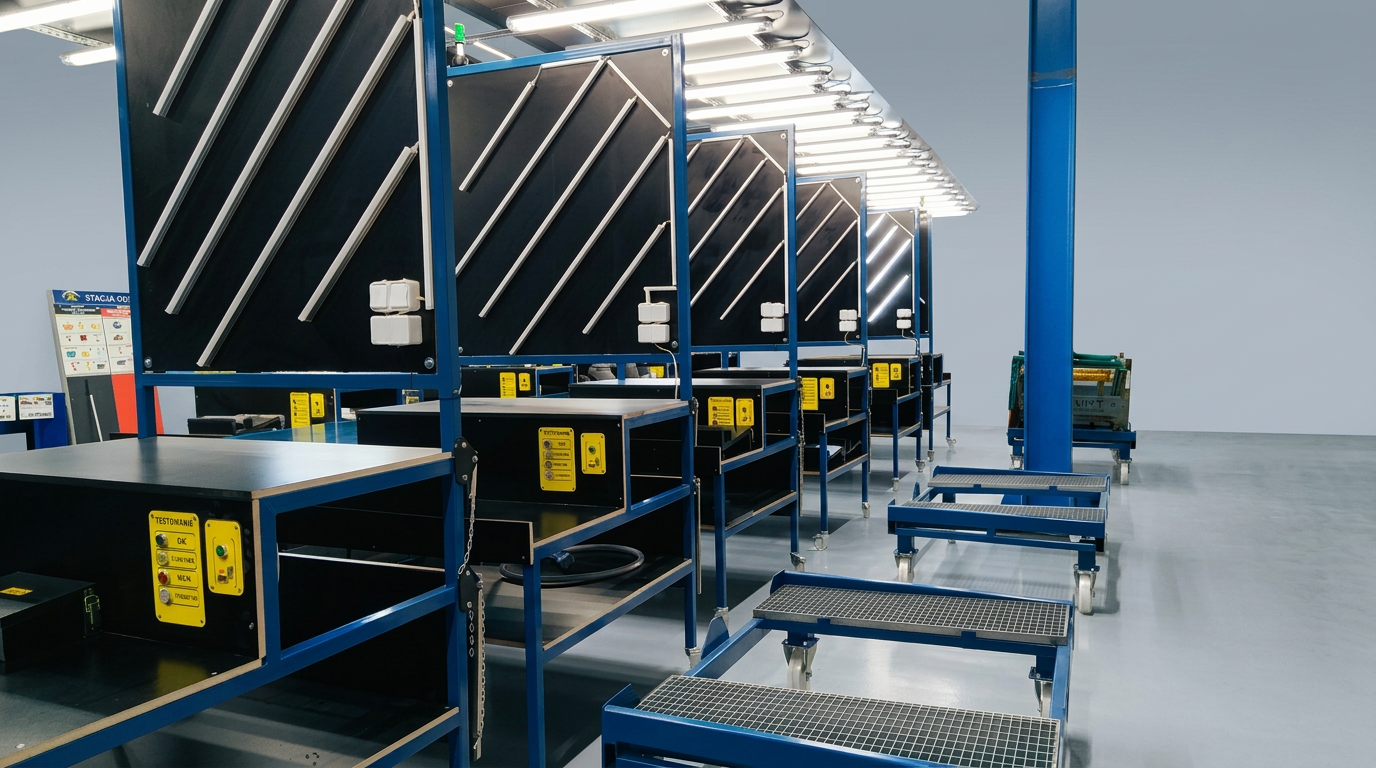
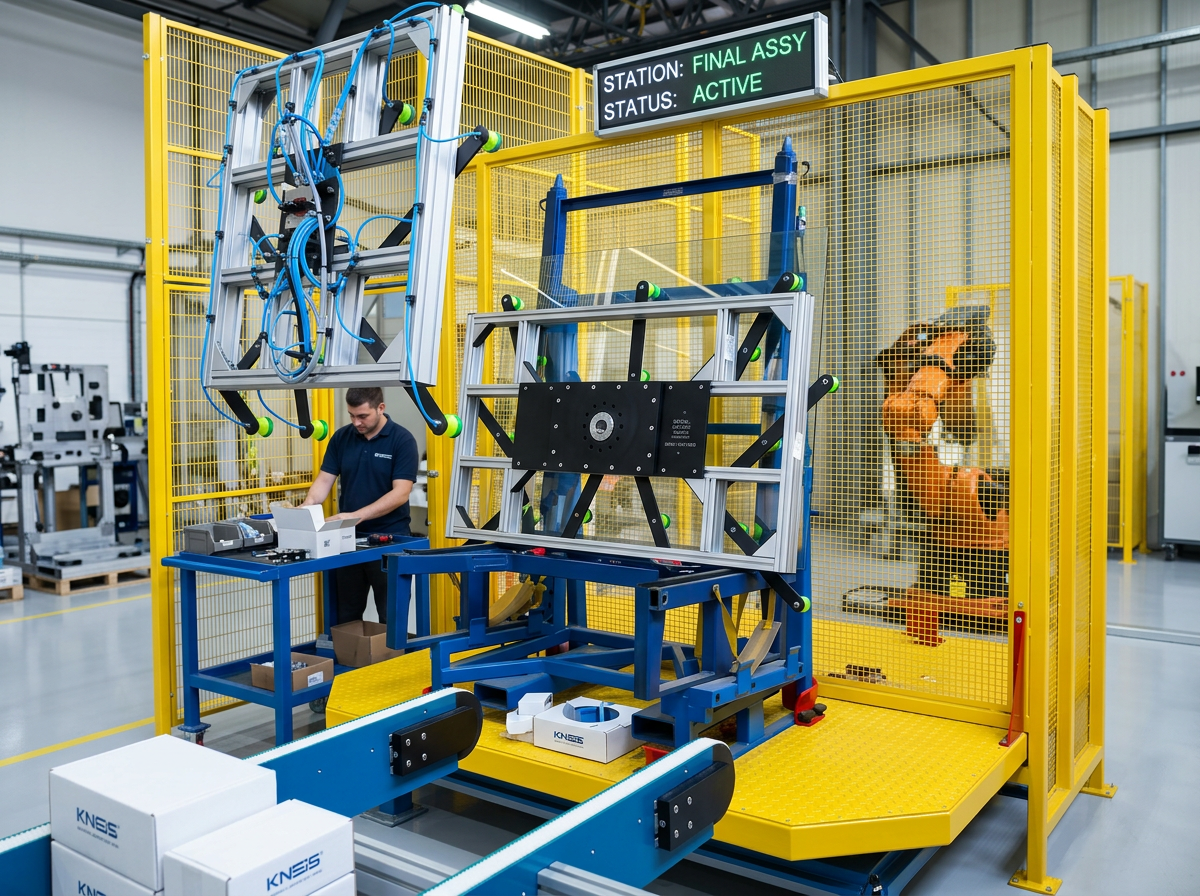
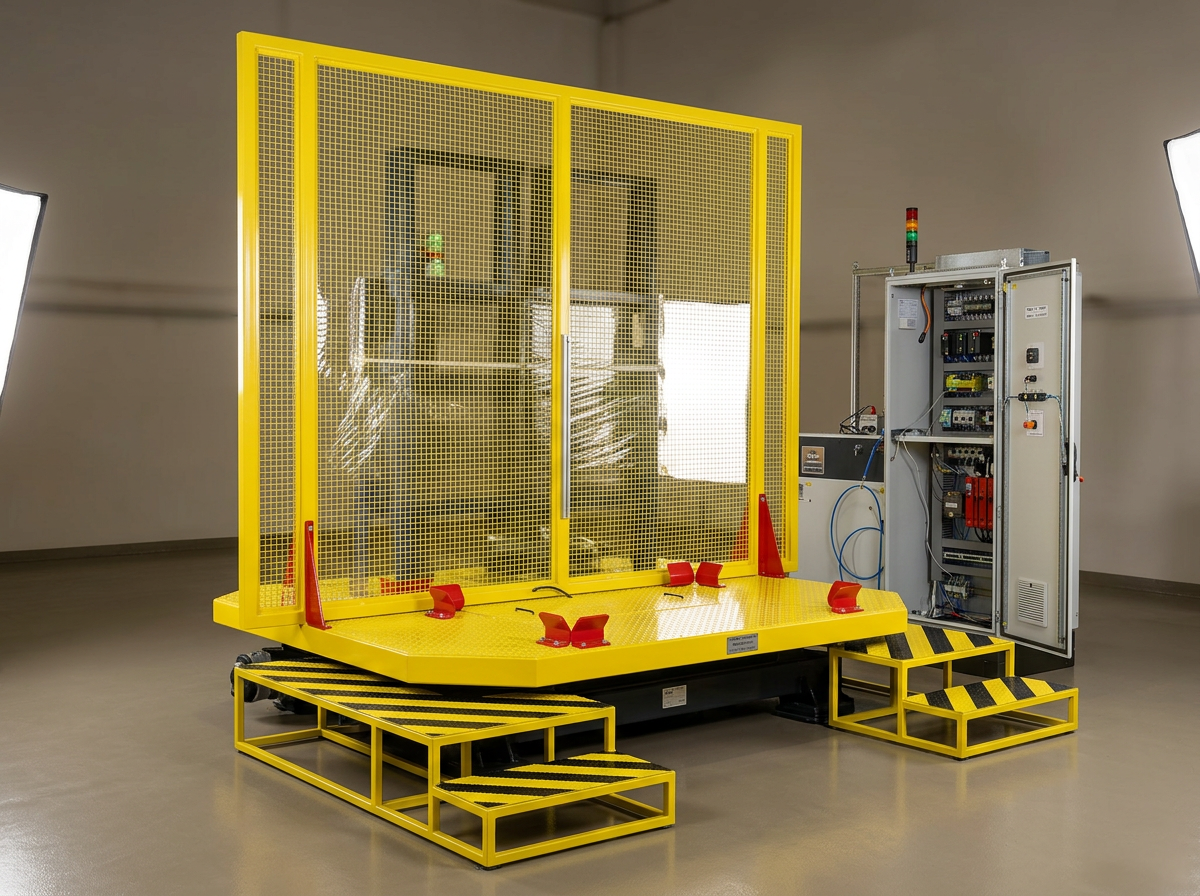
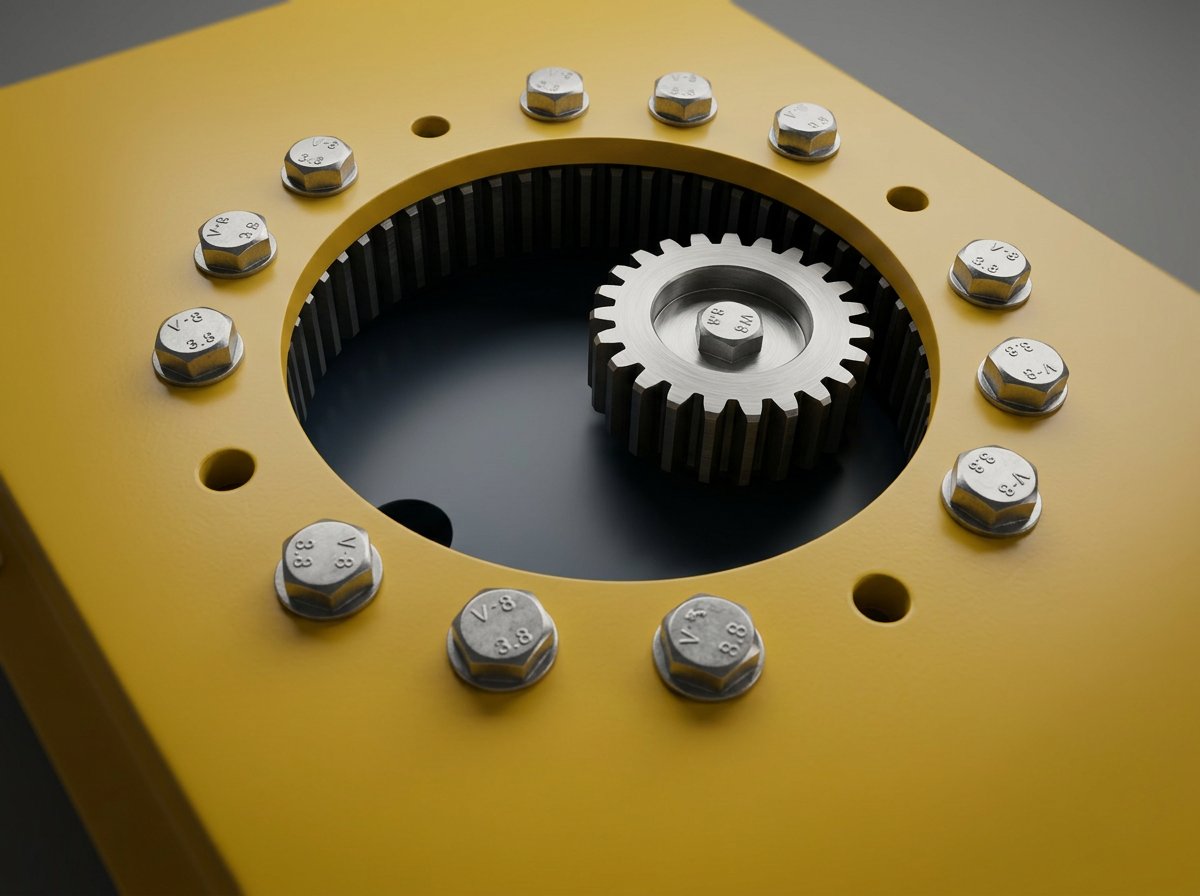
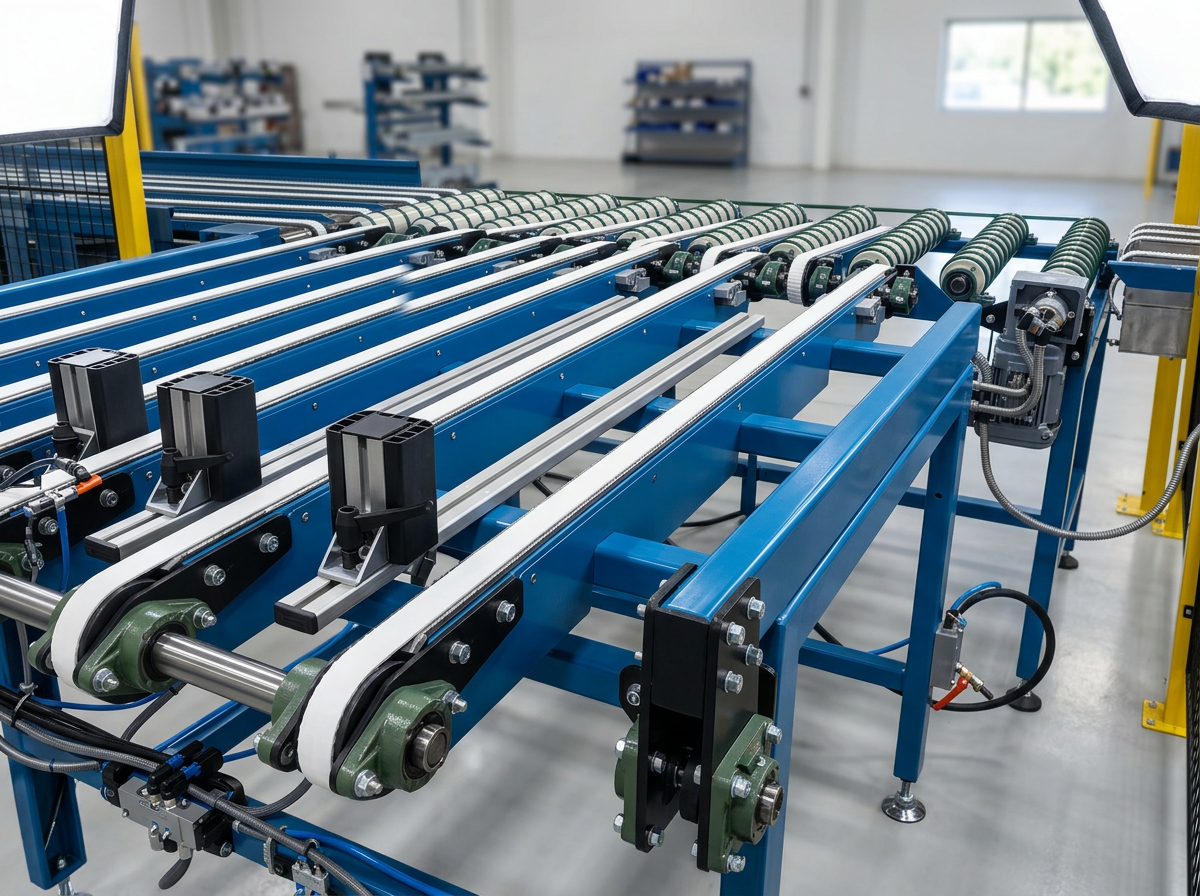
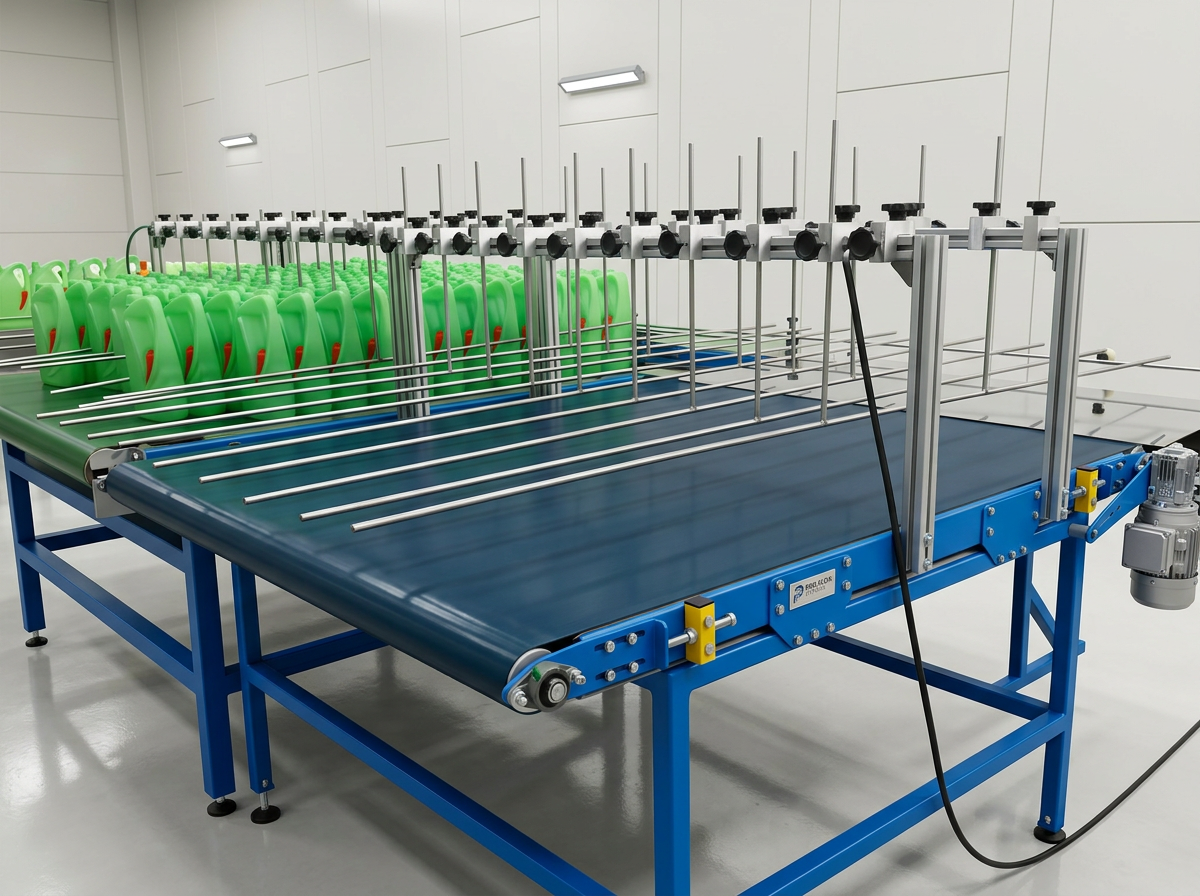
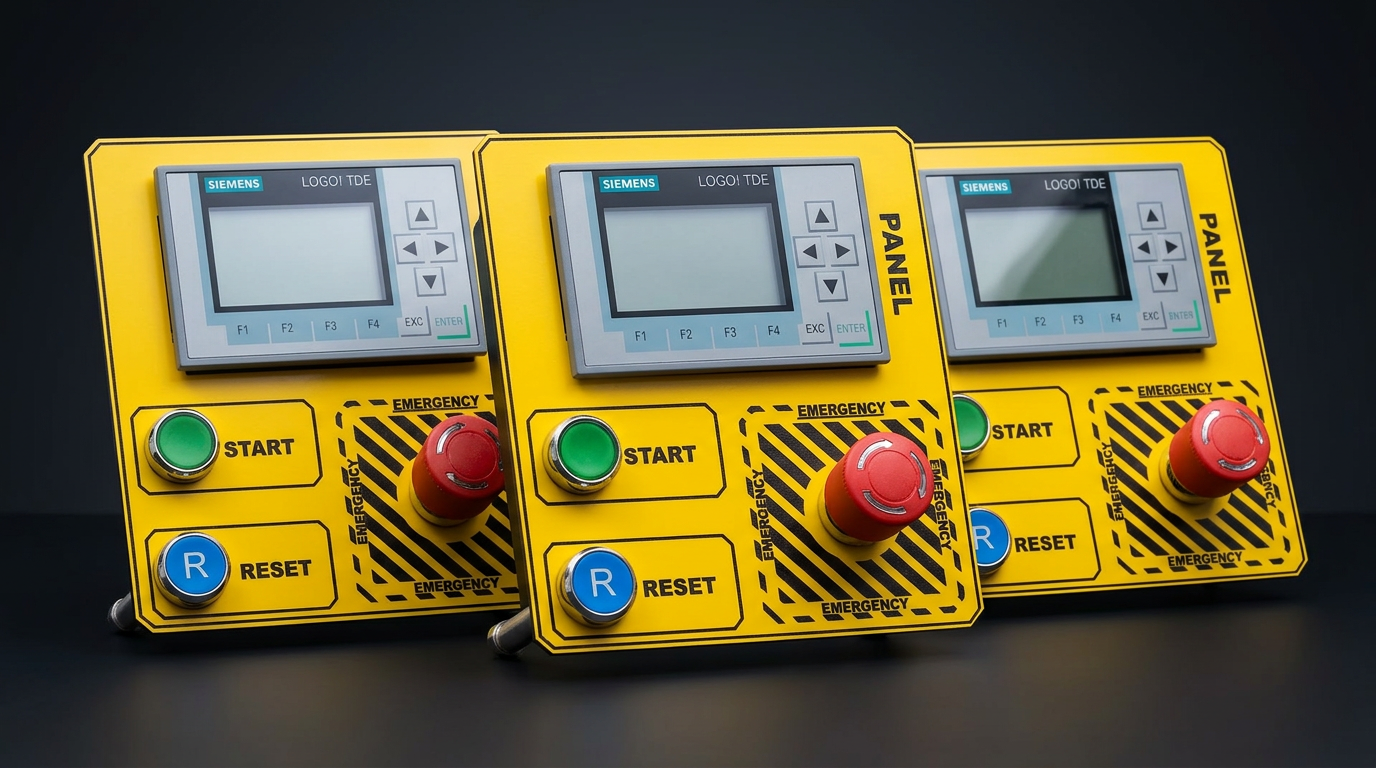
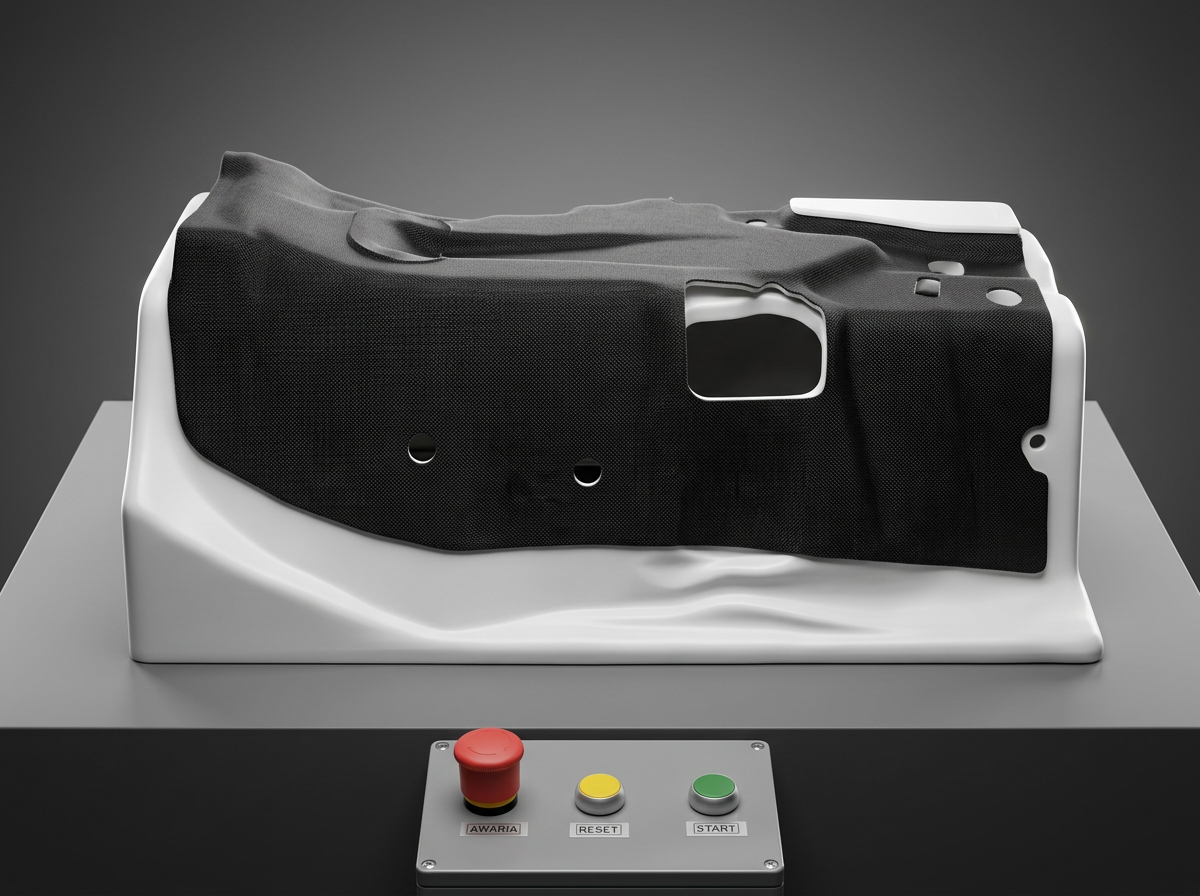
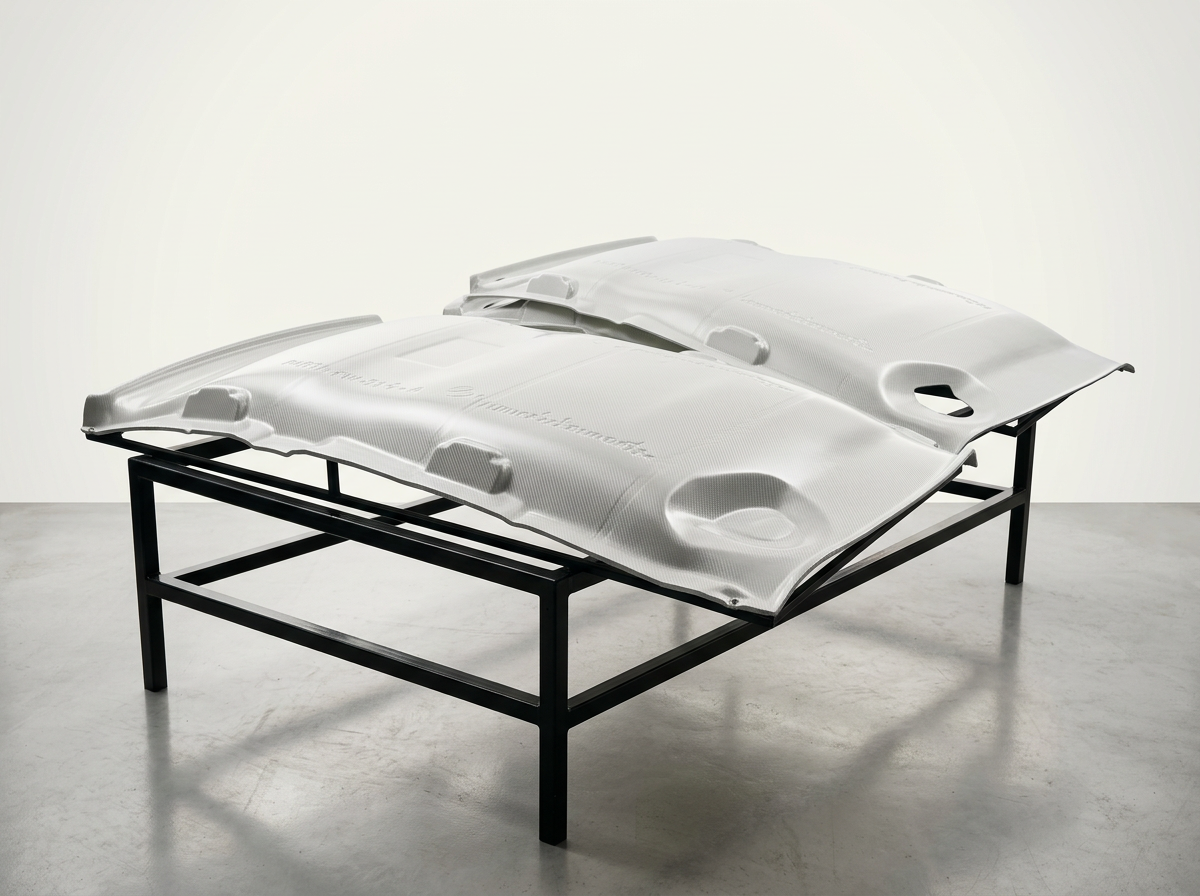
The more industries we have served, the more easily we transfer good practices between projects. From each field we take the best: the discipline of automotive, the costs of home appliances and the pace of packaging production.
Automotive and OEM components
Home appliances and consumer electronics
Industrial packaging and logistics
Composites and polymer production
Special machines and automation
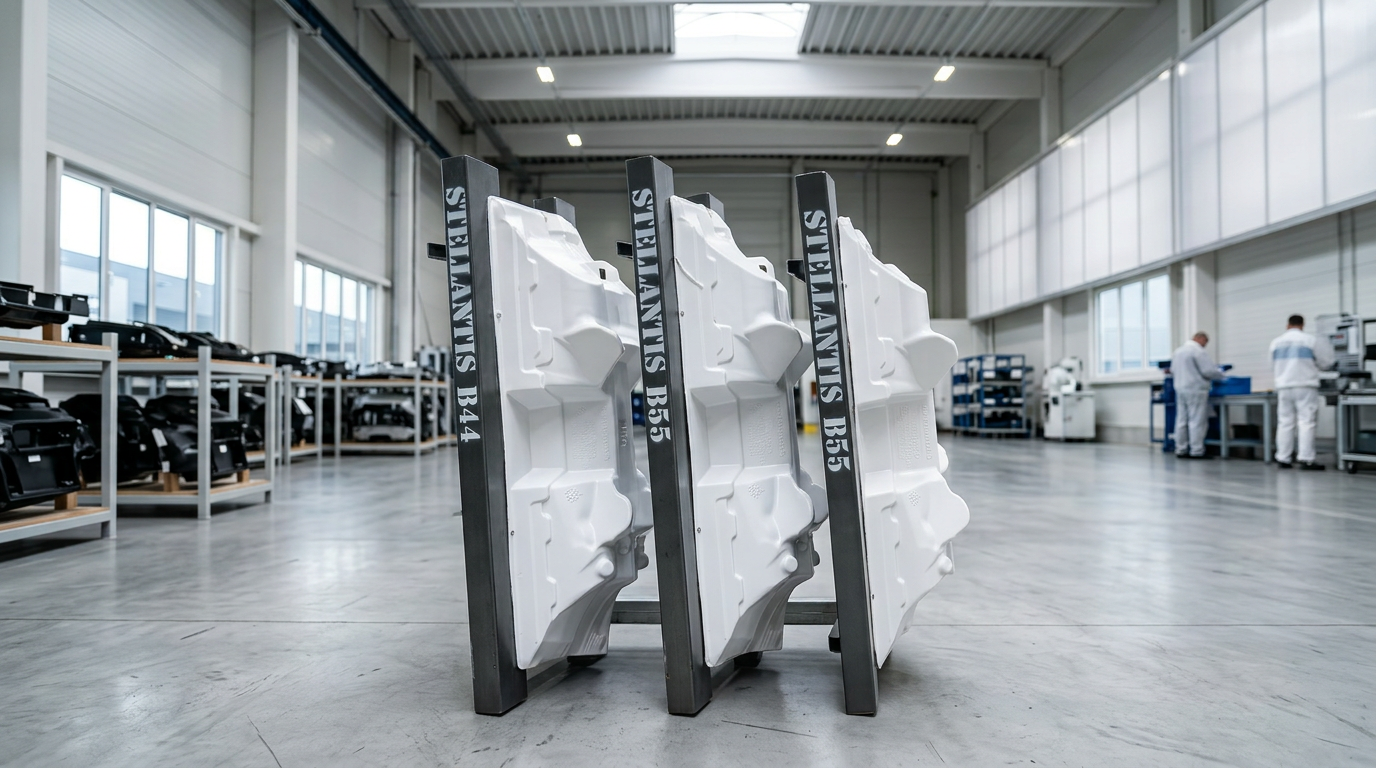
We treat every project as our own. Signing a non-disclosure agreement (NDA) is standard — client information, documentation and ideas never leave our company.
The response to your inquiry and the initial project analysis are free of charge. Costs only appear at the research and prototype stage — always agreed in advance. With full project delivery, these costs disappear from the final invoice.
A short description of what's on your mind is enough. Our sales team connects you with the right engineer from the R&D team — the initial analysis is free, and everything we hear stays between us.