
01
Higher throughput
The machine works when you need it — up to 24 hours a day, without fatigue or breaks. Cycle time shrinks, and more finished parts leave the line in the same window.
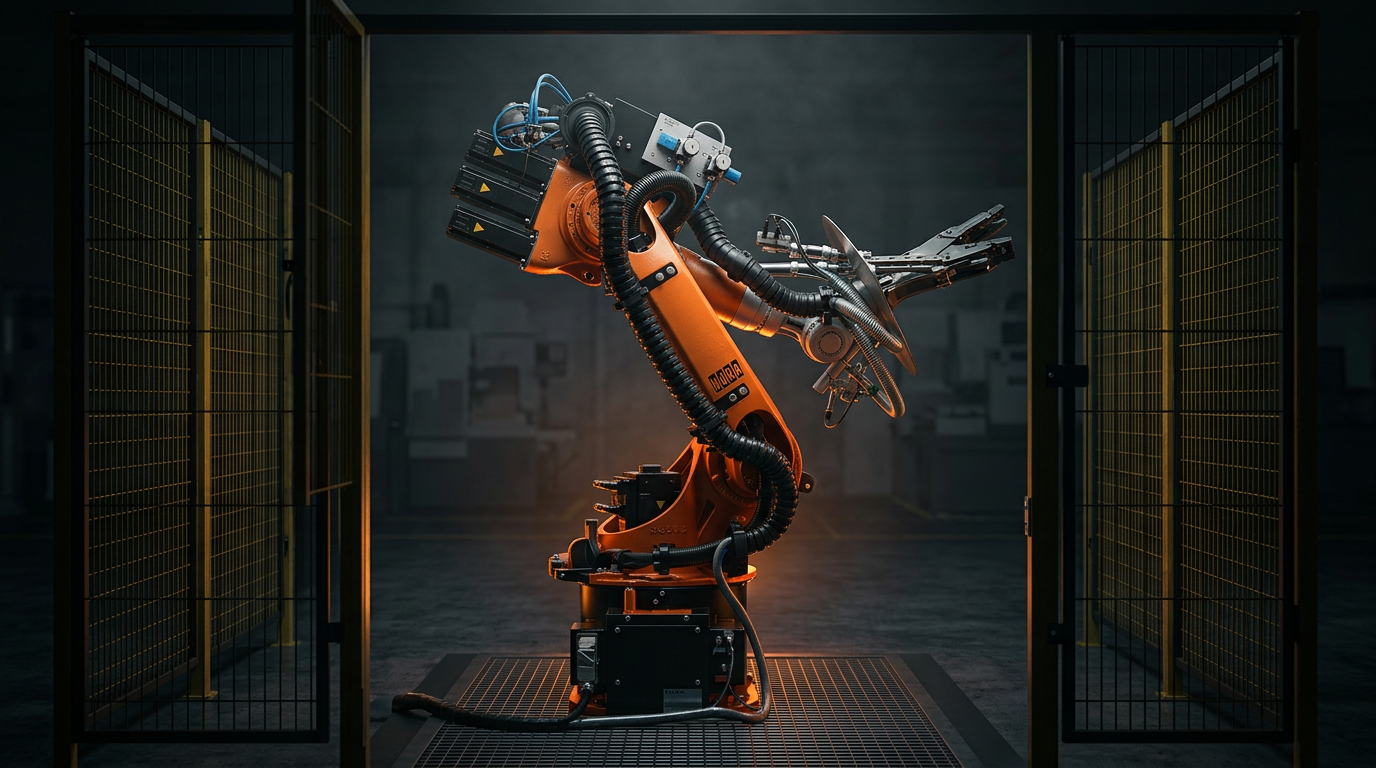
We design and build machines and automated production cells — for automotive, home appliance, packaging and one-off manufacturing. Robotics, vision systems, control and mechanics are all created in a single workshop.
Put plainly: we replace repetitive, exhausting human work with a machine that does the same job faster, more accurately and without breaks. The operator stops being a “pair of hands” on the line and starts supervising the process — safer for them, simply cheaper and more productive for the company.
Modern manufacturing — especially automotive — is a constant fight for the same quality at an ever shorter cycle time. The end customer expects every unit to be identical, and the manufacturer expects the line to scale without doubling the headcount. Reconciling those two things without automation is practically impossible today.
Automation is not about “replacing people with robots.” It is about handing repetitive, exhausting and dangerous tasks to a machine while a person supervises the process, makes decisions and handles what machines still cannot. The result: fewer defects, higher repeatability, and safer, less burdening work for the operator.
At Art Mech Studio we design and build machines for the customer's specific process — from a single prototype to full production lines. Mechanics, electrics, control and software are all produced under one roof, so the customer talks to a single team at every stage of the project.
Every automated line is different, but four effects appear almost every time: faster, more uniform, cheaper, more flexible. These are arguments that land in the boardroom — and you can see them every day on the shop floor.
The machine works when you need it — up to 24 hours a day, without fatigue or breaks. Cycle time shrinks, and more finished parts leave the line in the same window.
Computer control, sensors and vision systems catch deviations a human might miss. Every part leaves the line within the same tolerance — no bad days, no defect runs.
Less manual labour on repetitive, tiring tasks, fewer defects and offcuts, less material waste. Over a year that translates into real savings that pay back the investment.
Modern machines can be retooled and reprogrammed for a different product variant. A single machine park can handle several product variants — without building a new line from scratch.
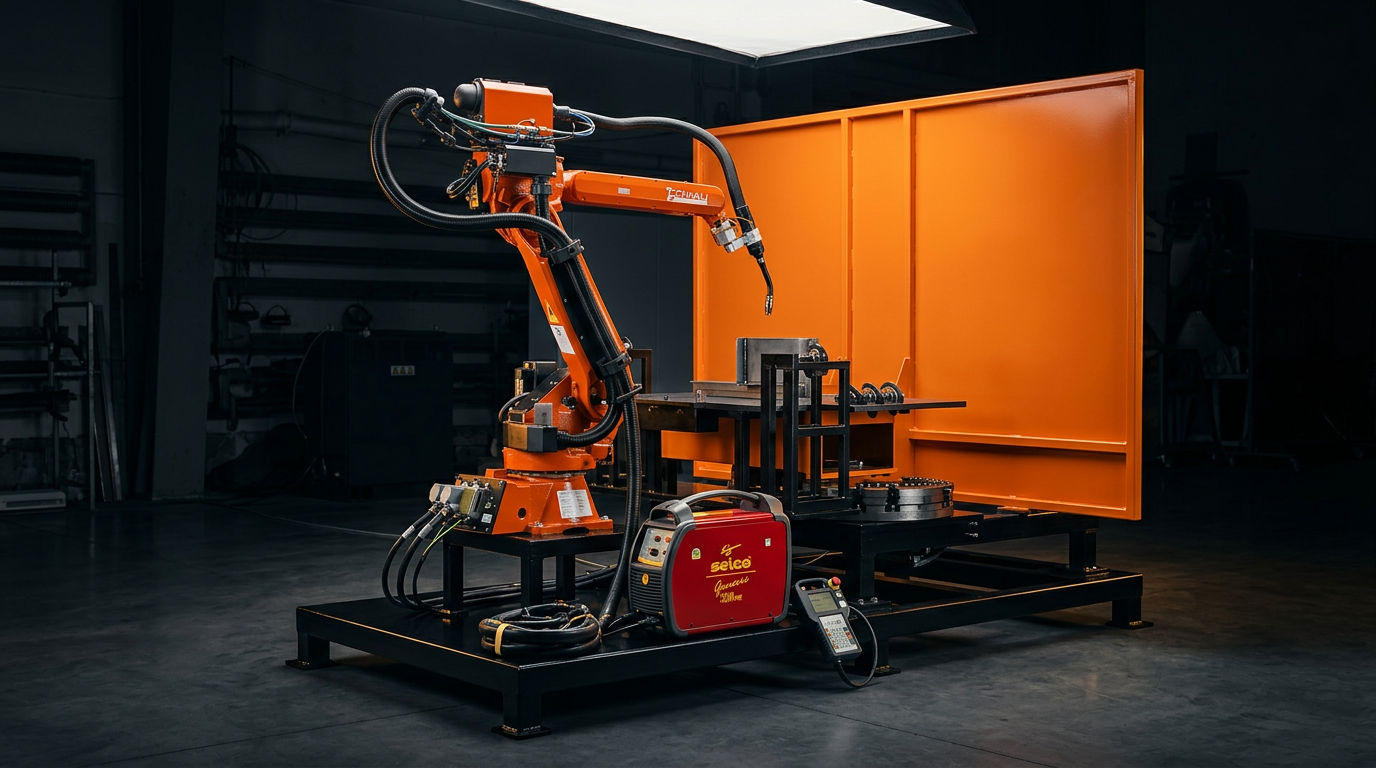
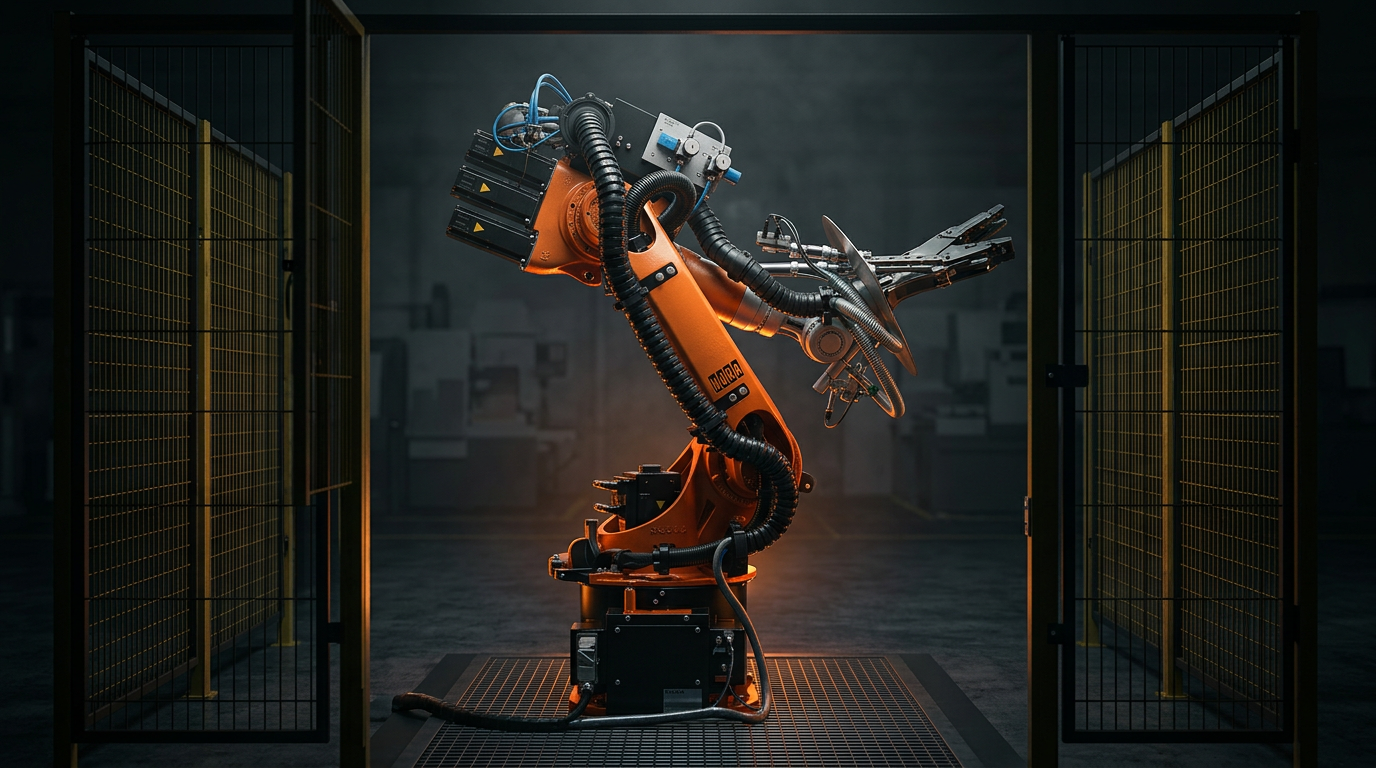
We don't start a project with a drawing — we start with a conversation about the process. That way the machine that comes out does exactly what is needed, without paying for features nobody uses.
We start with a talk about the process: what the machine should do, how many parts per shift, what materials, what part, where the bottleneck is. We agree what is genuinely worth automating — and what is better left to a person.
An idea for the machine takes shape: station layout, breakdown into subassemblies, choice of technology (robot, conveyor, vision system, feeder). We show how the line will look and how the cycle will run.
3D mechanical design, selection of drives and pneumatics, electrical schematics, choice of PLC and HMI panel, integration with the existing machine park and plant systems.
Fabrication of the structure, mechanical and electrical assembly, PLC and robot programming. The machine is built in our workshop — fully assembled and tested before shipment.
On-site start-up, performance and quality tests, calibration, tuning the cycle to the real product. The machine doesn't stay on the shop floor until it runs the way the specification agreed.
We train operators and maintenance teams on operation and routine inspections. Afterwards we provide service support — remote and on-site — so the machine runs reliably for years.
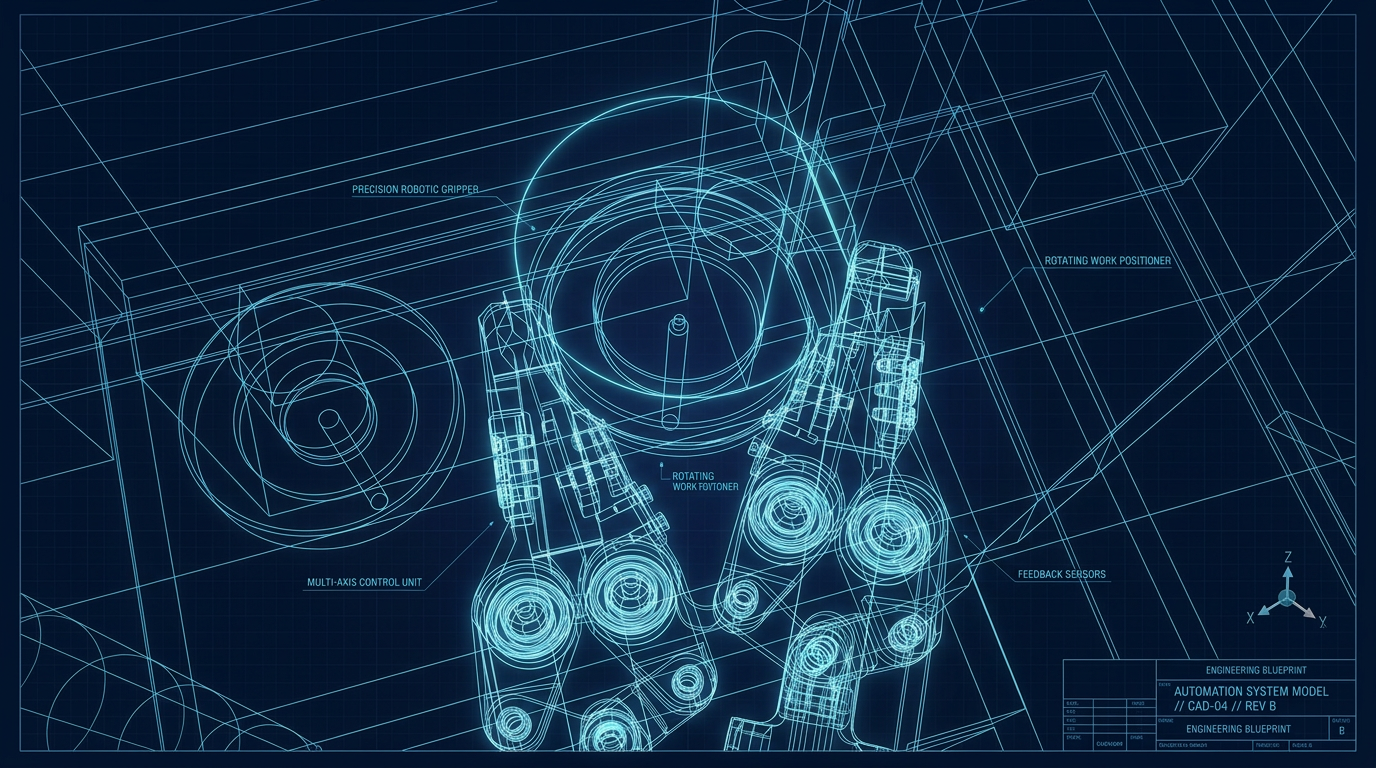
We use technologies proven in industry — robotics, PLC controllers and vision systems — and combine them into coherent, easy-to-operate solutions. We pick components for the application, not for a single vendor.
6-axis and collaborative robots for welding, assembly, palletising, machine tending and quality control. We select the brand and reach for the specific application — not the other way round.
Cameras and sensors that recognise a part, measure a dimension, check the presence of an element or read a code. They give the machine “eyes” and decide whether a part moves on or is rejected.
Siemens and compatible controllers, operator panels, machine safety compliant with the standard. We write machine logic so that it is readable and easy to modify later.
A machine does not work alone — we connect it with existing plant systems, collect production data and make it available where needed (maintenance, quality, planning).
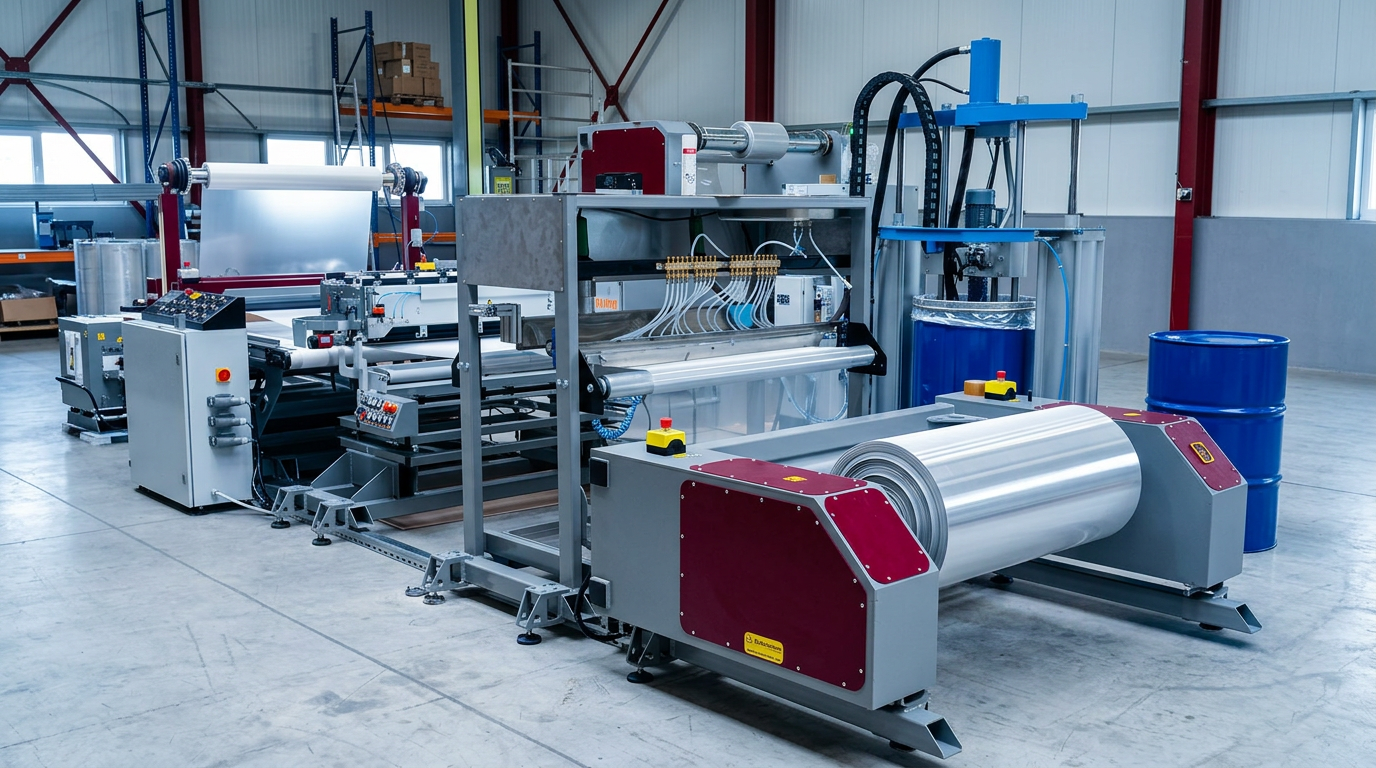
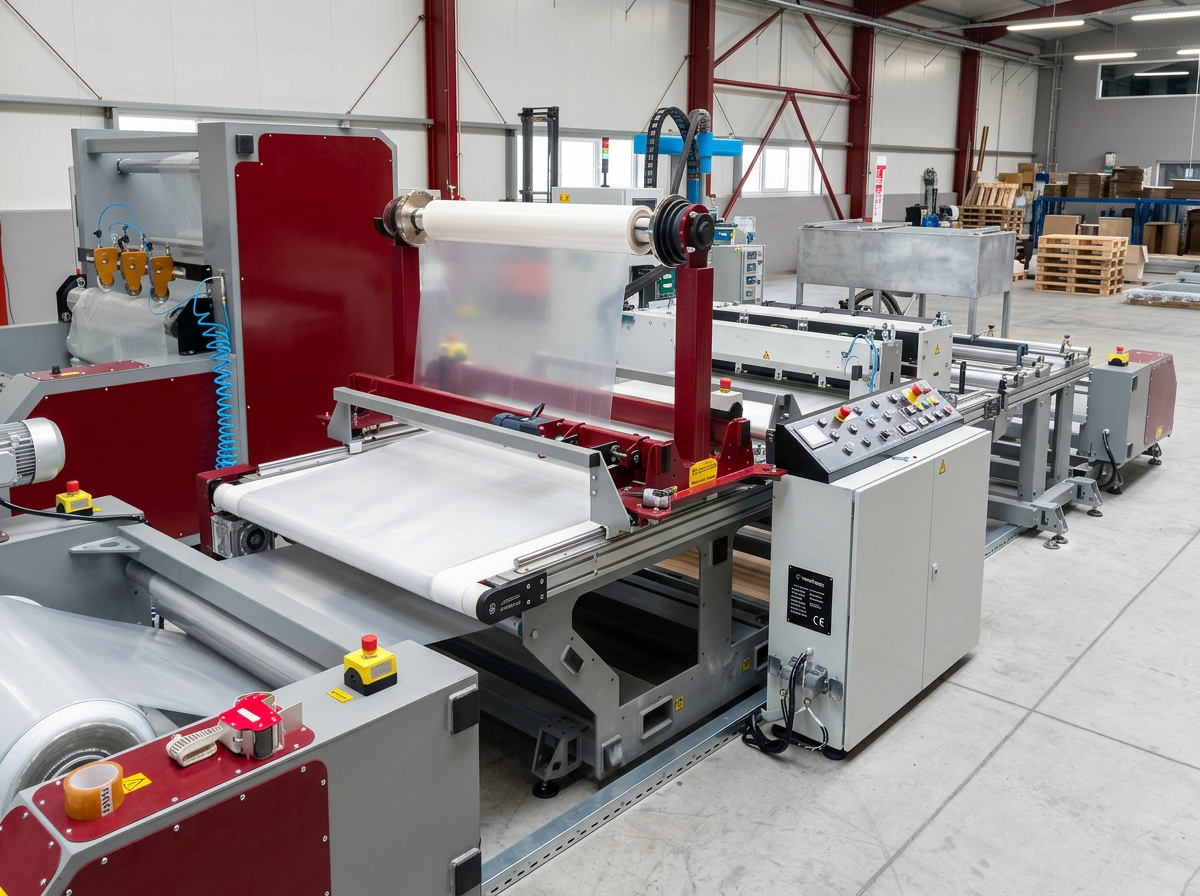
We deliver projects ranging from a single niche device to complete production lines. Below are the four most common areas where our machines work for customers today.
Small machines built for one specific process — often prototypes that aren't in any catalogue. From the customer's idea to a working device.
Full technological lines and robotic cells — with part transport, feeders, inspection stations and an operator console.
A second life for existing machines — replacing control systems, adding automation, integrating with a new park. Often cheaper and faster than buying a new line.
Automated measurement and inspection cells — with vision, probes and acceptance gates. They eliminate human error at the final check.
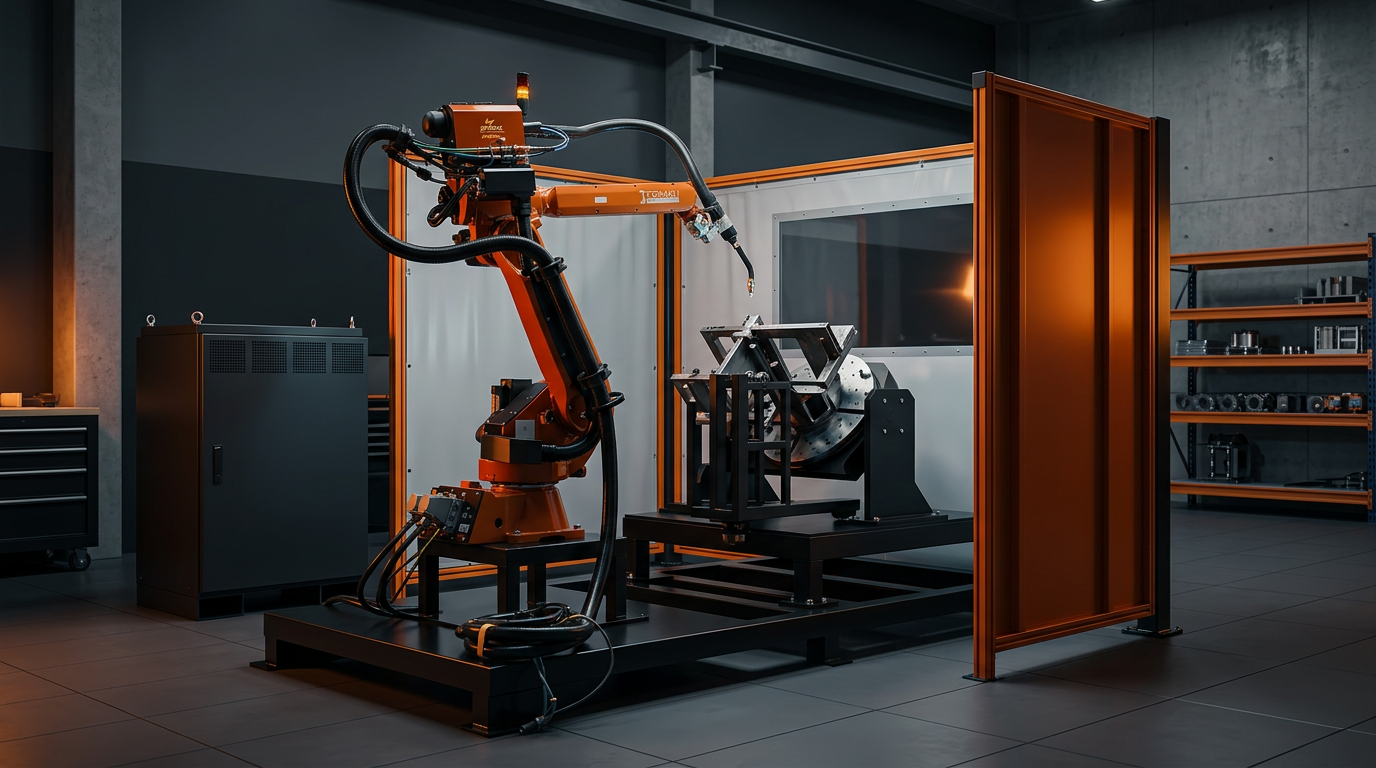
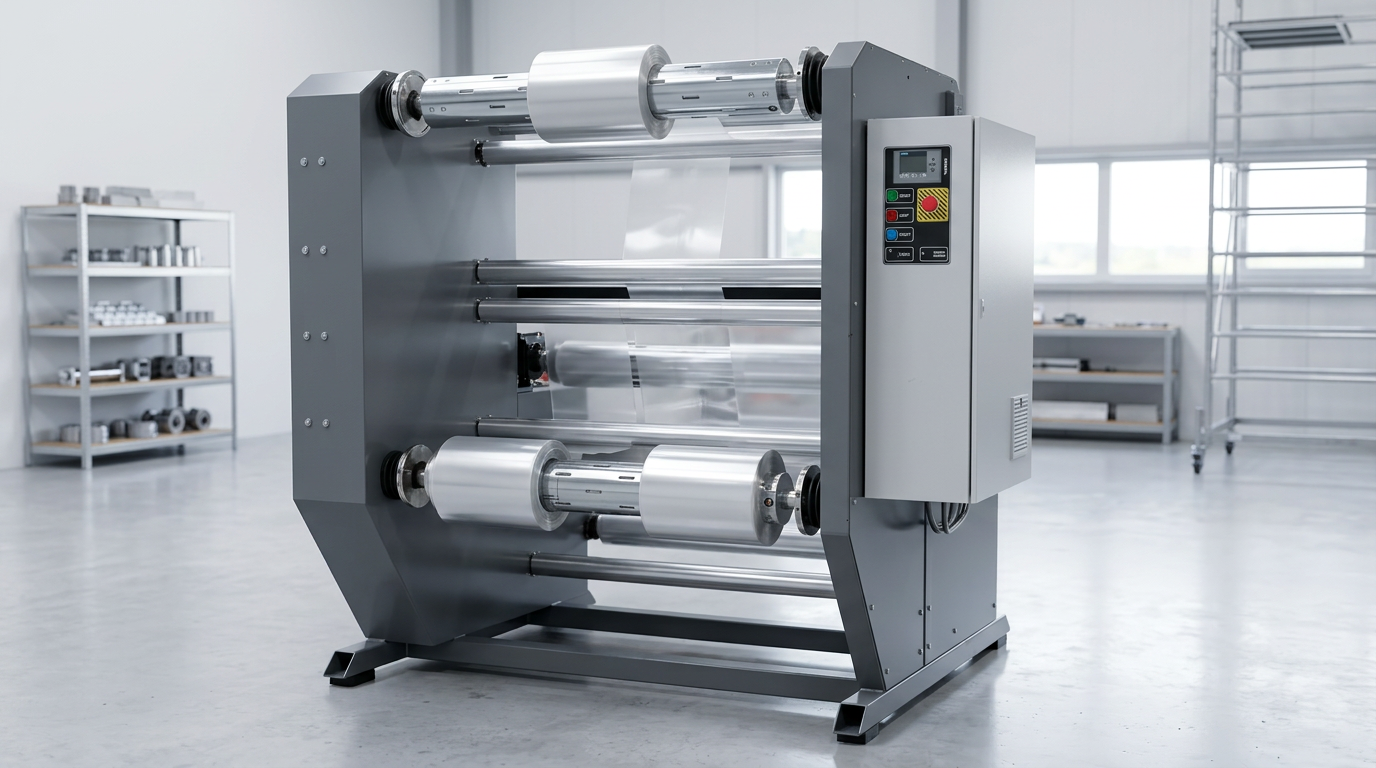
A short description of the problem or a video from the shop floor is enough. We'll assess whether automation makes sense, in what scope and at what budget. The next step is a concept — with no commitment on your side.